Technique
Tai-otoshi: Throw the Body Drop Step by Step
Throw tai-otoshi with forward kuzushi, a clear turn and a blocking leg placed beyond uke's foot. Learn combinations, counters, rules and drills.
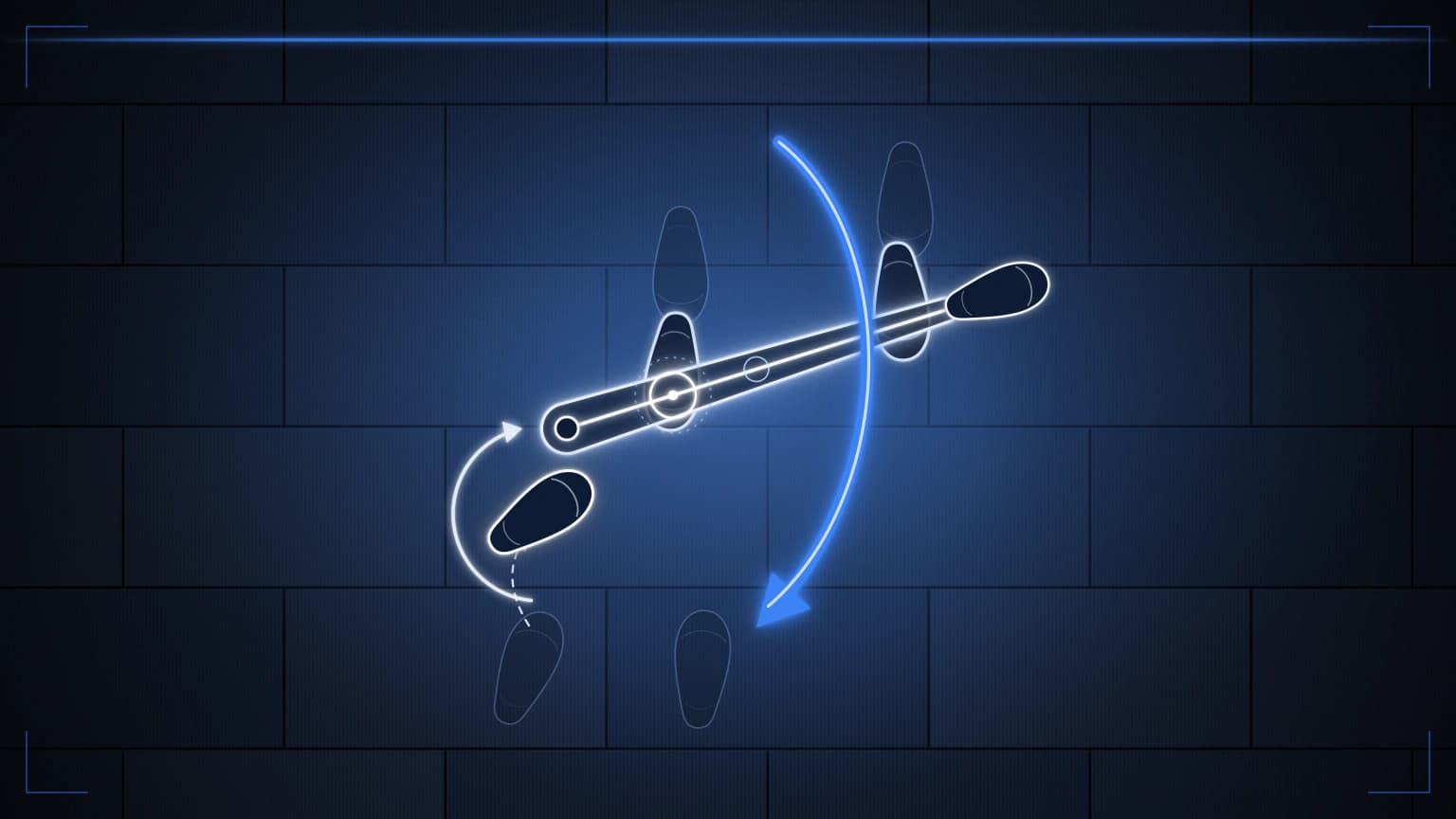
Tai-otoshi, or body drop, is a hand technique that throws your partner forward over a blocking leg. Break their balance toward the front corner, turn across their line, place your foot beyond theirs, and pull with both hands so their body travels over the block.
The Kodokan classifies tai-otoshi among the 16 te-waza, or hand techniques. In the revised 1920 Gokyo no Waza, it sits in Dai-nikyo, the second group. That classification matters: your hands and body turn create the throw, while your extended leg blocks the path instead of sweeping your partner.
Throw it in three phases
These steps describe a right-sided tai-otoshi. Mirror them for a left-sided throw. Practise with a qualified judo coach and a partner who can perform forward ukemi.
| Phase | What you do | What you check |
|---|---|---|
| Kuzushi | Draw uke forward and toward their right front corner | Uke steps or loads the front of the foot |
| Tsukuri | Turn left and bring your hips across without loading uke onto them | Your chest faces the throwing direction and your hands stay active |
| Kake | Place your right foot in front of and beyond uke's right foot, then pull down and around | Uke rotates over the blocking line while you stay balanced |
The IJF technique reference gives the same core action: break balance to the right front corner, open and turn your body, step in front of the right foot, then use both hands to pull down and throw over your foot.
1. Draw uke onto the front corner
Use your sleeve hand to guide uke forward and outward while your lapel hand lifts and turns their upper body. Make uke step or commit weight toward the front corner before you enter. If their weight stays back, your blocking leg meets a partner who can simply step around it.
Move with the pull. Your feet should bring your torso under the line of your hands. If your arms reach while your chest remains far away, you lose the connection you need for the turn.
2. Turn across the line
Pivot and bring your support foot inside the space in front of uke. Turn your chest toward the direction of the throw. Keep your hips clear enough that uke rotates over your leg rather than landing across your lower back like a hip throw.
Your lapel hand continues to lift and direct. Your sleeve hand draws a broad arc. Think about turning uke's shoulders while the feet struggle to follow.
3. Place the blocking leg
Extend your right leg across the front of uke's right leg and place your foot on the tatami beyond their foot. Keep enough bend to protect your own knee and follow your coach's preferred alignment. The leg creates a barrier below the knee line; it does not swing backward like a reap.
Finish with the hands. Pull uke forward and down as you rotate your torso. Stay connected through the sleeve so you can guide the landing.
Understand the blocking leg
The leg makes tai-otoshi easy to recognize and easy to misunderstand. It should block the route uke needs for the next step. It should not carry uke's full body weight across your knee.
Use these checkpoints:
- Place the foot far enough across that uke cannot step straight through.
- Keep your support foot stable and turn your body before you reach with the blocking leg.
- Point the knee and foot in an alignment your coach can inspect.
- Keep your hips outside uke's center so the throw remains te-waza.
- Withdraw the leg if the entry fails instead of leaving it trapped.
A short block lets uke step around you. A block that reaches too far can pull your torso backward and disconnect your hands. Find the distance through slow uchi-komi with a coach watching from the front.
Fix the common errors
You enter before kuzushi
Uke stands upright and steps over the block. Pull the front corner first and time your entry to their step. Pause the drill after kuzushi so both partners can identify the loaded foot.
You sweep with the blocking leg
Your right leg swings backward and tries to reap. Tai-otoshi depends on the hand action and the barrier. Place the foot, keep it connected to the tatami, and turn uke over the line.
You put your hips under uke
The throw turns into an awkward hip throw and uke lands on your back. Keep your hips clear, rotate your shoulders, and let the hands lead.
You straighten your knee carelessly
Your partner's leg can collide with the side of your knee. Use the foot position and knee alignment your coach teaches, keep a protective bend, and practise at low speed before nage-komi.
You stop the hands after entry
The feet arrive, but uke remains balanced. Continue the sleeve pull and lapel turn through kake. The blocking leg cannot replace the hands.
You look behind you
Your head turns away from the throwing direction and your torso follows. Look along the path where you want uke to travel. Keep your head connected to the turn.
Chain the combinations in a named syllabus
The British Judo Competitive Dan Grade Skills Examination form lists two direct continuations from tai-otoshi and two entries that finish with it.
| Combination | Reaction you use | Technical focus |
|---|---|---|
| Tai-otoshi to uchi-mata | Uke steps around or closes the space past your block | Recover the leg and enter between theirs as your hands keep forward pressure |
| Tai-otoshi to seoi-nage | Uke squares up and resists the long block | Shorten the turn and load the shoulder entry under the controlled arm |
| Ko-uchi-gari to tai-otoshi | Uke withdraws the attacked foot and moves forward | Follow the step into front-corner kuzushi |
| Ko-soto-gari to tai-otoshi | Uke recovers from the outside reap and turns forward | Keep the sleeve and redirect into the body drop |
Practise the first attack as a real threat. A token foot movement will not create the reaction you need. Use the judo grip fighting guide to establish sleeve and lapel control before you start the chain.
The same British Judo form also lists tai-otoshi as a counter to uchi-mata. Move off the attack line, control the upper body, and apply the body drop only under your coach's direction. Counter timing leaves little room for an improvised leg position.
Expect the counters
British Judo lists tai-otoshi countered by ko-soto-gake in its Technical Dan Grade Examination form. Its Kyu syllabus also pairs tai-otoshi with ko-soto-gari or ko-soto-gake as counters. Both punish an entry that leaves your weight and blocking leg available on the outside.
Reduce that opening by establishing kuzushi, turning fully, and keeping your support leg active. If the throw stalls, recover your blocking foot before uke can hook or reap it.
Uke can also step around the block and regain posture. Treat that response as a reset or a route into your trained combination. Avoid twisting harder against a partner who has already escaped the throwing line.
Stay inside the current IJF rules
Tai-otoshi remains a scoring throw, but nearby actions can earn penalties under the IJF Sport and Organisation Rules dated 14 August 2026.
- Keep your hands above the leg-grab boundary. The current rule permits jacket grips and grips under the belt only down to the top of the inner thigh. Hooking or grabbing the leg with the hand or arm, gripping the trousers, or touching lower on the leg earns shido.
- Keep your head off the tatami. A headfirst dive during a throwing attempt counts as a dangerous action and earns direct hansoku-make.
- Attack with intent. An entry with no realistic chance to throw can count as a false attack and earn shido.
Use the judo penalty checker to review the named actions, then confirm the exact event rules with your coach and organizer. Our judo rules guide explains how the current scoring and penalties fit together.
Follow a four-part drilling plan
Part 1: Place the feet without a throw
Use static uchi-komi. Stop after tsukuri and let your coach inspect the support foot, hip clearance, blocking foot, and knee line. Reset before either partner loses posture.
Part 2: Add moving kuzushi
Have uke step forward on a predictable rhythm. Enter as the right foot loads. Pause after the block so you can check whether the hands already turned the shoulders.
Part 3: Finish onto a crash mat
Add nage-komi only after uke trusts the entry and both partners can perform the breakfall. Start with a cooperative step, complete the hand action, and guide the sleeve through the landing.
Part 4: Add reactions
Alternate tai-otoshi to uchi-mata and tai-otoshi to seoi-nage. Give uke one planned escape at a time. Finish with light randori where tai-otoshi must start from the grip and movement you drilled.
The judo throws list helps you place each linked throw inside its Kodokan family.
Film the three phases
Place your phone at a front-oblique angle around hip height, outside the tatami. Keep both judoka and both sets of feet in frame. Film moving uchi-komi before full throws because it shows the entry without the landing hiding your foot position.
Check when uke's weight moves forward, where your support foot lands, whether your hips stay clear, and whether the blocking foot reaches beyond uke's foot. Then watch the hands through kake. If they stop when the leg extends, return to slow entries.
Get quick answers
What does tai-otoshi mean?
It means body drop. The Kodokan classifies it as te-waza because the hand action and body turn create the throw over a blocking foot.
Is tai-otoshi a hip throw?
No. It belongs to the hand-technique group. Keep your hips clear and rotate uke over the blocking line rather than loading them across your hip.
Does the leg sweep in tai-otoshi?
The leg blocks uke's step. Place the foot across and beyond uke's lead foot, then use your hands and turn to throw over that barrier.
Which combinations follow tai-otoshi?
The opened British Judo syllabus lists tai-otoshi to uchi-mata and tai-otoshi to seoi-nage. It also lists ko-uchi-gari and ko-soto-gari entries into tai-otoshi.
What counters tai-otoshi?
British Judo lists ko-soto-gake and, in its Kyu syllabus, ko-soto-gari as counters. Recover the blocking leg when the entry fails and build stronger kuzushi before you turn.
Check the sources
- International Judo Federation, tai-otoshi technique reference
- Kodokan Judo Institute, technique classifications and the revised Gokyo
- British Judo, Competitive Dan Grade Skills Examination Form
- British Judo, Kyu Grade Promotion Syllabus
- IJF Sport and Organisation Rules, version of 14 August 2026
- Judo AI: Dojo Partner on the App Store